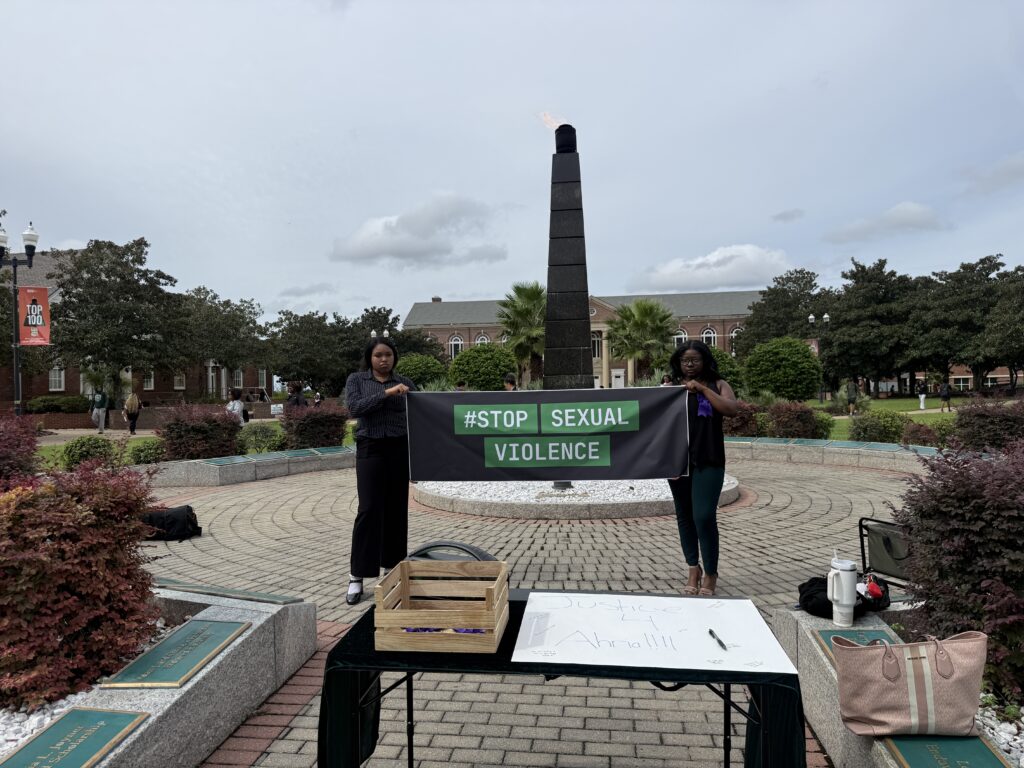


Concerns about safety are growing among Florida A&M University students as incidents of violence in and around campus continue to raise alarm. While universities across the country have strengthened emergency protocols, many students feel that current efforts are not enough to fully protect them, especially as nearby incidents, including a recent party shooting, have heightened fear within the community.
These events have led students to question not only how the university responds to emergencies, but also how it works to prevent them. FAMU does have safety measures in place, including a campus-wide alert system designed to notify students of potential threats in real time.
University officials have stated that departments respond quickly to assess threats and secure campus boundaries when necessary. However, students say that alerts alone do not address the deeper issue of feeling unsafe in everyday spaces connected to campus life.
Kendra Polk, a fourth-year animal science industry major, gave her opinion on how safe she feels going out due to recent events.
“ I’ll get the notifications from FAMU and I think that’s a way they respond well. As for the multiple parties that have gotten shot up, FAMU isn’t doing enough to make sure threats like that aren’t endangering their students.“
Her perspective reflects a growing concern that safety efforts are too reactive rather than preventative. While communication systems may inform students of danger, many feel there should be stronger measures in place to stop these situations from happening in the first place.
Morgan Spencer, a graduating psychology major from Pembroke Pines, FL, said that she
“FAMU’s communication with pertaining to violence happening in and around the community is terrible in my opinion. When a suspected shooter came on to campus recently FAMU’s response in my opinion was very delayed.”
Concerns about delayed communication highlight how critical timely updates are during emergencies, as even small gaps can increase confusion and anxiety among students. In high-stress situations, clear and immediate information can make the difference in how students respond and protect themselves.
University leadership has acknowledged that there have been gaps in communication during recent incidents and has expressed a commitment to improving response times and increasing the frequency of alerts. Plans to expand training, increase patrols, and strengthen safety infrastructure have been discussed as part of ongoing efforts to address these concerns.