
On a college campus, names travel quickly. They move through classrooms, student organizations and group chats, slowly becoming tied to faces, reputations and impact. For many students, a name is more than a greeting; it’s a source of pride, history and confidence.
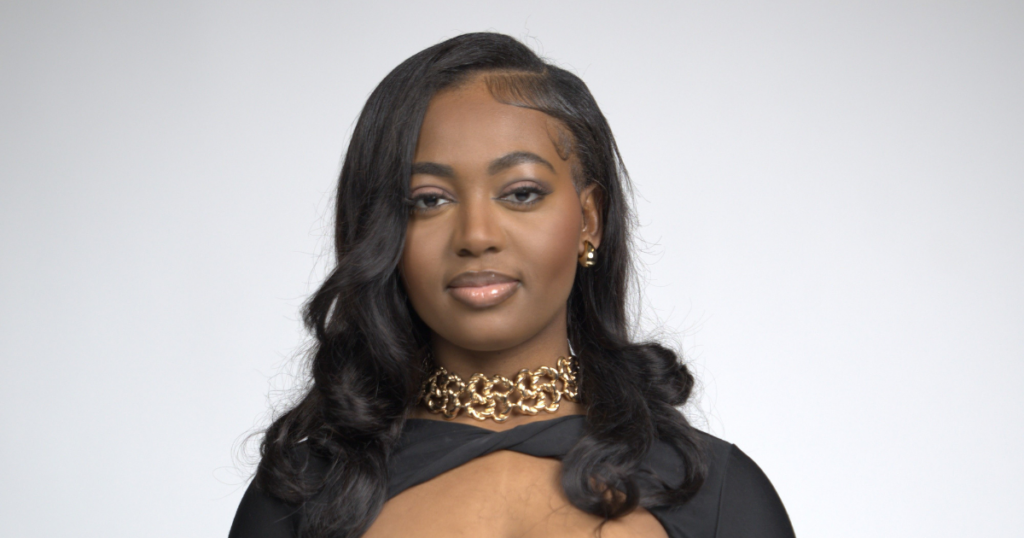
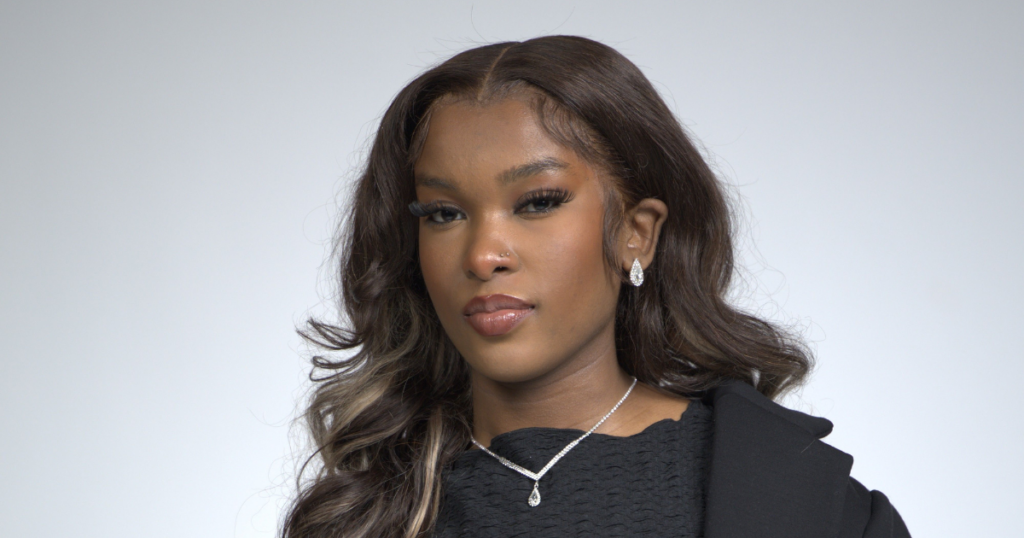
Leilanikuuipo Snowden knows this too well. Her full first name, pronounced lay-lawn-ee-koo-oo-ee-poe, carries deep family meaning. “Leilanikuuipo means my heart’s beloved in Hawaiian,” she said. The second portion of her name belonged to her grandmother, or tutu, while Leilani was the name her mother always wanted to use. Together, they created a name that blended family history and intention.
Growing up, Snowden became used to people taking a pause when pronouncing her name. Still, she does not see it as offensive. “It makes me feel like they actually care,” she said, referring to those who take the time to pronounce her name correctly. While she expects people to mispronounce her name, she says it has never diminished her confidence or how she shows up.
Nicknames also tell a story. Snowden goes by several: Leilani is her main name, Lei is used by her brothers, Laylay is reserved for her cousins and aunts, and Lani is a name her new friends picked up. Each nickname holds meaning and marks a relationship in her life. “Each one has a special place in my heart,” she said. “They add layers to my identity rather than take anything away.”
For others on campus, the meaning behind a name carries a similar weight.
For Y’xavyiah, whose name is pronounced I-zay-veah, her identity is tied to creativity and family. Her grandmother adapted the name from her father’s Isaiah to make it uniquely hers. “It represents family, legacy and creativity,” she said. Being addressed correctly feels validating. “It shows the effort people went through to make sure they wouldn’t mispronounce my name. It lets me know I’m being seen and acknowledged.”
Growing up, she went by the nickname Yaya, a name associated with being soft-spoken and shy. Over time, she began using her full name, embracing its uniqueness and power. “What once felt different now feels powerful,” she said. “I’ve learned to appreciate the meaning, story behind it and the way it sets me apart.”
Cultural heritage also plays a defining role in how some students carry their names.
Zula Reina Oliveira’s name displays layers of culture and heritage. Her first and last names are Portuguese, while her middle name is Spanish. Zula, meaning “brilliant,” comes from Zuelede, her great-grandmother from Brazil, who also went by Zula. Reina means “queen” in Spanish, reflecting her mother’s Cuban heritage. “I’ve always loved my name,” Oliveira said. “I love how it flows together.”
Oliveira says her name often becomes a conversation starter and has helped her feel confident in new spaces. When people make the effort to say it correctly, she notices. “It shows people’s attention to detail and compassion,” she said. While she has nicknames like Zu and Zuzu among family and friends, she prefers her full name and appreciates its simplicity and meaning.
Across these stories is one message: names are tied to culture, heritage and connection. Snowden reflects on how names matter in college spaces. “Once your name becomes known, people begin to watch you more closely,” she said. “They recognize your face and associate it with your impact.” Names don’t just identify; they celebrate culture, legacy and individuality, especially on a campus where students are trying to find themselves and their purpose.
In an environment full of diversity, every name is an affirmation. Each syllable carries history, pride and heritage. When people make the effort to pronounce a name correctly, it does more than acknowledge someone; it honors who they are, where they come from and the story they’re still writing.