
Tallahassee is gaining national recognition as one of the top-performing metro areas in the country, but as economic growth accelerates, many residents are beginning to feel both the benefits and the pressure of that expansion.
According to Keith Bowers, director of the Office of Economic Vitality, the city’s rise is the result of long-term planning rather than sudden expansion.
“The key factors driving this growth are intentional investments in infrastructure,” Bowers said. “It’s been a long-term strategy, knowing that economic development follows infrastructure.”
That strategy appears to be paying off. Recent rankings highlight Tallahassee’s strong gross domestic product growth, a highly educated workforce, low unemployment, and a relatively affordable cost of living compared to other Florida cities. These factors have positioned Tallahassee as a competitive player in the state’s economic landscape and have drawn increased attention from businesses, developers, and new residents looking for opportunity.
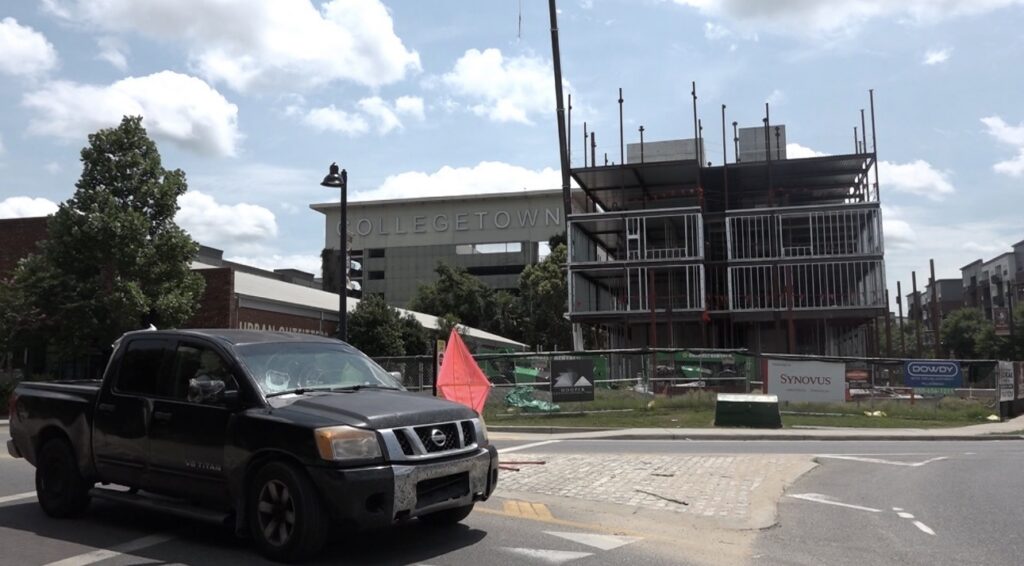
But growth is not just showing up in statistics. It is reshaping daily life across the city in ways that are becoming more visible. New developments are rising across Tallahassee, and incoming industries are driving job creation across sectors such as business services, hospitality, transportation, and healthcare. Companies like Amazon are contributing to this expansion, bringing new employment opportunities and increasing the city’s visibility as a place for economic investment.
As more people move to Tallahassee for work, the demand for housing continues to rise. Apartment complexes are filling quickly; rental prices are increasing, and availability is becoming more limited. This shift is making it more difficult for students and longtime residents to find affordable housing options, particularly near major employment areas and university campuses. What was once considered a more affordable alternative to larger Florida cities is becoming increasingly competitive.
The effects of growth extend beyond housing. Population increases are placing additional pressure on infrastructure, including roadways and public services. Traffic congestion is becoming more noticeable during peak hours, and the strain on existing systems is raising questions about how the city will keep up with continued expansion. These changes are subtle yet consistent, shaping residents’ everyday experiences.
To address workforce needs, the city is working closely with Florida A&M University, Florida State University, and Tallahassee State College to align education and training with industry demand. These partnerships are intended to ensure that residents are equipped with the skills needed to enter growing fields and take advantage of new job opportunities.
“We’re making sure people understand the certifications and skills needed to take advantage of these opportunities,” Bowers said.
This focus on workforce development reflects a broader effort to make economic growth sustainable. By preparing residents for available jobs, city leaders aim to reduce gaps between employers and job seekers while strengthening the local economy from within.
At the same time, there is a growing emphasis on inclusivity. City leaders are working to support minority- and women-owned businesses through targeted programs that expand access to resources and opportunities. These initiatives aim to ensure that economic growth benefits a wider range of residents rather than concentrating opportunities among a limited group.
Even with these efforts, challenges remain. Rising housing costs, increased competition for rentals, and the pressure on infrastructure continue to raise concerns about affordability and long-term sustainability. For many residents, especially students and working families, the cost of living is becoming a more significant factor in deciding whether to stay in the city.
Tallahassee is at a turning point. The city is attracting attention, investment, and new opportunities, but it must also manage the impact of that growth. The balance between expansion and accessibility will be critical in determining the city’s future.
If growth continues at its current pace, Tallahassee has the potential to strengthen its economy and expand its influence within the state. However, maintaining affordability and ensuring that existing residents can benefit from that growth will remain key challenges.
As Tallahassee continues to evolve, the question is not just how much the city will grow, but who will be able to grow with it.