
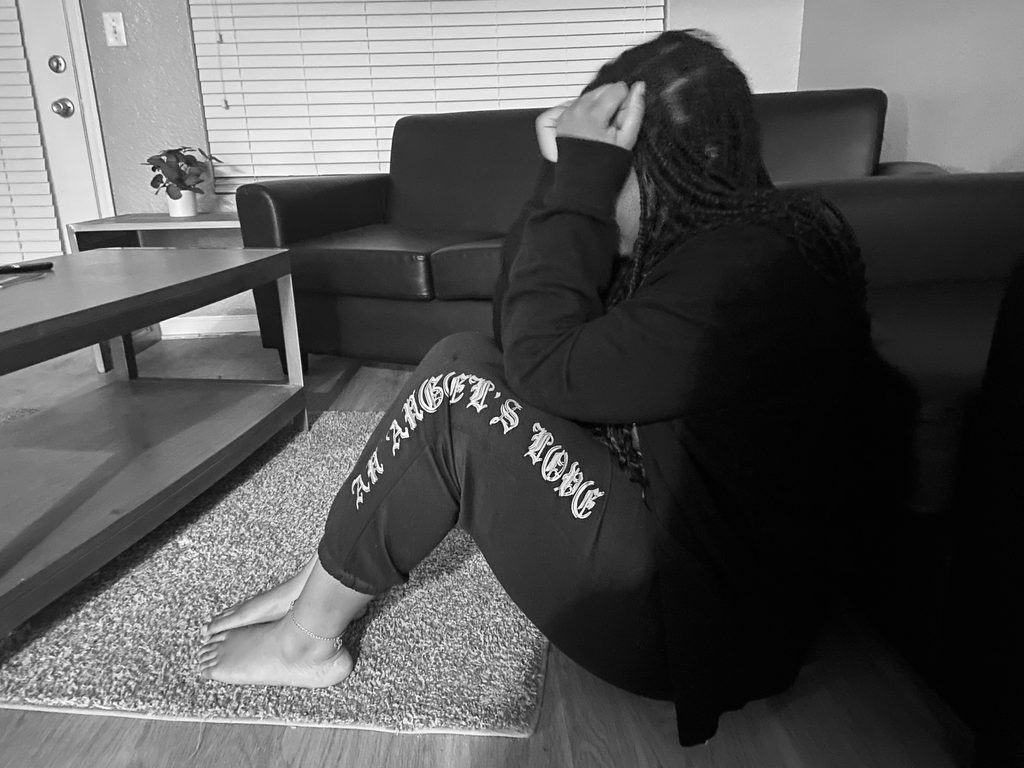
For Tyrese Golden, navigating college became more than attending classes and completing assignments. It meant learning how to move forward while grieving the loss of two people who had been part of his life for as long as he could remember.
In September 2024, Golden lost his older brother. Less than a year later, in August 2025, his grandmother died. Both losses occurred while he was attending Tallahassee State College, leaving him struggling to balance his education with the emotional weight of grief.
“It was really hard for me to continue going to college,” Golden said, recalling his brother’s death.
At one point, he considered abandoning his education and returning home. The people who had encouraged him to pursue his dreams were gone, and moving forward felt increasingly difficult.
Still, Golden found motivation in the lessons they left behind.
“Remembering that they always told me keep going no matter what, keep staying positive, and just complete your mission, complete your goals,” he said.
Today, Golden is an animal science major at Florida A&M University, having earned his associate degree and transferred in fall 2026. His journey reflects a challenge many grieving students face: navigating loss while the demands of college continue.
The invisible weight of grief
Grief does not always announce itself through tears or visible sadness. For some students, it unfolds quietly behind classroom participation, completed assignments and everyday interactions.
Dr. Anika C. Fields, a licensed psychologist and director of the Office of Counseling Services at Florida A&M University, emphasizes that grief is deeply individual.
“Some people are able to carry on, and they’re grieving on the inside, but nobody notices,” Fields said.
Some people are able to carry on, and they’re grieving on the inside, but nobody notices.
Dr. Anika C. Fields
She explained that students may struggle internally even when their outward behavior appears unchanged. Others may find everyday responsibilities overwhelming.
Fields, who lost her mother at 14, understands how difficult navigating grief during school can be. She remembers finding comfort in her father and trusted individuals who knew her mother personally.
Her experience shaped her recommendation that grieving students seek connections with people who understand both them and the person they lost.
Pam Mezzina of Big Bend Hospice also emphasizes that grief does not follow a predictable schedule.
“A hard day isn’t starting over,” Mezzina said.
A hard day isn’t starting over.
Pam Mezzina, Big Bend Hospice
She explained that birthdays, familiar songs, places and other reminders can unexpectedly bring painful emotions back. Such moments do not erase progress toward healing.
Finding balance without rushing healing
For students facing deadlines, examinations and responsibilities outside the classroom, grief can make even ordinary tasks feel exhausting.
Mezzina recommends approaching academic responsibilities in smaller, manageable steps rather than expecting immediate productivity.
Students struggling to complete assignments might begin with a single paragraph or short study session. She also encourages maintaining basic routines, including sleep, meals and meaningful social connections.
Fields stresses the importance of informing professors about a death as soon as possible, particularly when students need academic flexibility.
Beyond academics, she encourages students to find comfort in shared memories and conversations with people who knew their loved ones.
Both professionals recognize that healing does not require students to suppress their emotions or immediately return to normal.
Support is closer than students think
Although grief can feel isolating, students do not have to navigate it without support.
Fields explained that FAMU Counseling Services accommodates urgent crisis walk-ins, including students experiencing a recent death. Students should communicate the urgency of their situation when arriving.
The university also provides individual counseling and additional mental health resources.
For Golden, support came through friends, family and tutors who helped him continue his education.
His experience demonstrates that moving forward does not necessarily mean leaving loved ones behind.
Golden now views his academic accomplishments as a way of honoring his brother and grandmother.
“Just keep going, man. Keep thriving,” Golden said, encouraging students facing similar circumstances.
Just keep going, man. Keep thriving.
Tyrese Golden
For grieving students, continuing college may not always look like uninterrupted progress. Sometimes, it means asking for help, allowing space for difficult emotions or simply making it through another day.
And sometimes, moving forward means carrying the people they love into every milestone still to come.
Need Support? You’re Not Alone.
Grief doesn’t have to be navigated alone. Whether you’re looking for professional counseling, someone to talk to or educational resources, these organizations can help you find support.
Grief Support Beyond the Classroom
A collection of counseling services and educational resources for students and individuals navigating loss.
Offers individual counseling and urgent crisis support for FAMU students, including walk-in assessments for students experiencing a recent loss.
Provides grief support, bereavement counseling and community resources for individuals and families navigating the death of a loved one.
Connects individuals with emotional support, crisis assistance and community resources.
An online resource offering educational articles, coping strategies and personal perspectives to help people understand and navigate grief.
Provides grief support information and educational resources for children, teenagers and young adults experiencing the death of someone important to them.
Provides free, confidential emotional and crisis support 24 hours a day.
Call or text 988