
Art has always had a way of breaking rules. From ancient cave paintings to graffiti-splashed city walls, artists have used their work to disrupt convention and push against what society deems acceptable. When institutions demand conformity, art offers resistance. To create boldly is to question authority, and to insist on being heard. In today’s political climate, when black voices and DEI initiatives are under attack, art expression is essential in creating awareness towards injustices.
Throughout history, artists have stood at the front lines of upheaval, often becoming the visual and cultural voice of resistance. In the 1980s, Jean-Michel Basquiat transformed the walls of New York into urgent declarations about race, inequality and power. His painting Defacement (The Death of Michael Stewart) remains an indictment of police brutality, a reminder of how art refuses to let society look away. Today, the street artist Banksy carries that torch with politically charged murals that take aim at war, capitalism and government corruption. Protest art has evolved across generations, but its spirit remains the same: to confront, to question and to provoke change.
Films like The Color Purple, Sinners, They Cloned Tyron, Black Panther, and Hidden Figures, are art pieces that highlight the perseverance that black people have endured from centuries ago up to modern day. These films have the powerful capability to captivate emotions, simultaneously becoming a catalyst for change through an intersection of art and rebellion.
“Art is a form of resistance for me because, coming from an immigrant family, success in academics was always emphasized — not pursuing passions and hobbies,” said Abigail Eno, a fourth-year environmental engineering scholar. “Crocheting and painting allow me to express myself. It goes against how I was raised and resists the ideals that were pushed on me.”
Rebellion in art is not confined to political protest. It also lives in the act of choosing creation over conformity. Within a culture that glorifies hustle and productivity, simply pausing to paint, sing, write or dance is a radical choice.
Music artists within black media today—Kenderick Lamar, Little Simz, Anderson .Paak, SAULT— curate songs portraying the current political state of the United States. Stories on what it is like being black in this country where injustices continue to persist. Black people don’t just endure; they transform their pain into purpose and their resistance into renaissance.
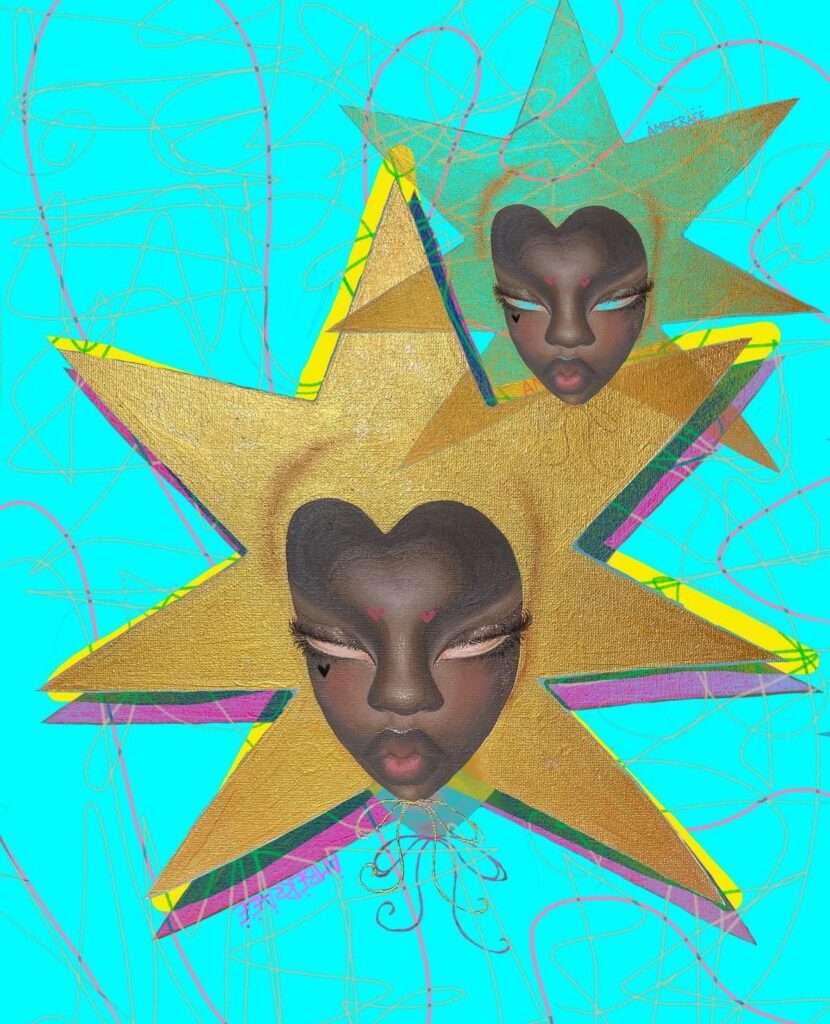
“Art means everything to me — it’s how I express myself,” said AmberRae Smith, a third-year architecture major and painter. “It’s more than just putting pretty colors on a canvas. When I flip through a sketchbook, it’s like watching my life’s journey. It’s my meditation. I’m my art, and my art is me.”
The authenticity of art is what makes it endure. Unlike rehearsed performances in daily life, art does not ask for permission or approval. It speaks from the depths of the soul — unfiltered and unapologetically different. Whether through the brushstroke of a painting, or the rhythm of a poem, art captures truth in ways words alone often cannot.
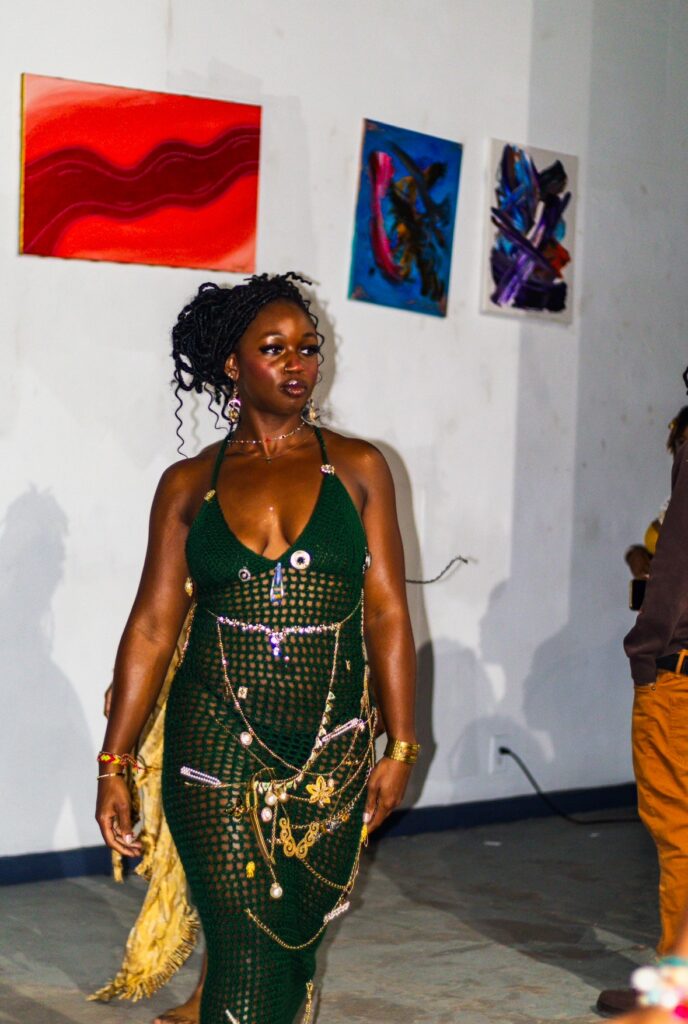
“The most authentic form of art comes from a place of vulnerability,” said Laila Nieves, a fourth-year psychology scholar at FAMU, as well as a nail technician and stylist. My favorite forms of expression are poetry, fashion and music. Writing organizes our thoughts, and reading others’ work lets us experience their thought processes.”
The transformative power of art lies in this reach. A single image, melody or performance can spark outrage — emotions strong enough to inspire action. For centuries, artists have proven that creativity is not just self-expression but also social force, one that governments, institutions and movements alike cannot afford to ignore.