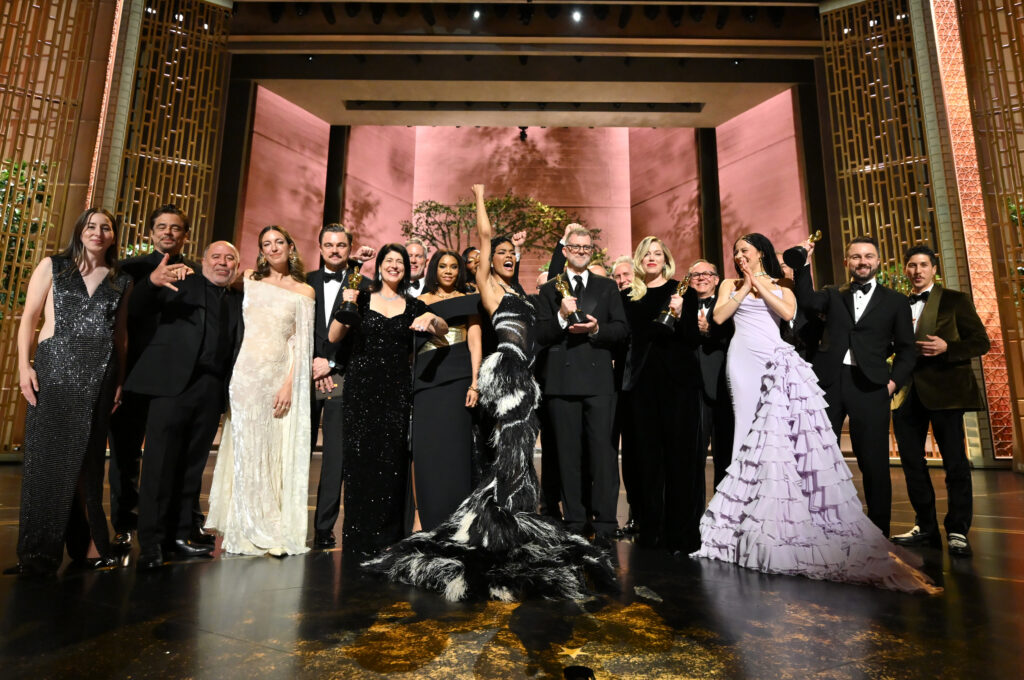


At the Grammy Awards, few figures have become as much of an institution over the last few years as photographer Cole Walliser, the man behind the high-gloss, slow-motion, viral celebrity videos that have come to define the red carpet. However, after the mysterious disappearance of Walliser during the awards ceremony, speculation quickly grew online about the incident that briefly knocked him from the headlines.
This incident began when a civilian customer (said on social media to be wealthy and well-connected) felt Walliser, or a member of his team, had been rude or unprofessional in a customer service encounter that did not involve the Grammys. This incident was not public knowledge until screenshots were posted on social media sites. Screenshots of the email, written by Walliser , circulated online. Leading to discussion of professionalism, power dynamics, and the relationship between public figures and private clients.
The controversy sparked a broader discussion within entertainment and creative communities about the line between personal communication and professional responsibility. In an industry that relies heavily on relationships, referrals, and reputation, even one small mistake can create repercussions that are hard to control. Publicists, agents, and brand managers are becoming more conscious that screenshots, forwarded emails, and private messages can quickly turn into public records, losing their context and meaning. What used to be quietly resolved between two individuals now plays out in front of millions of spectators who feel they have a right to share their opinions. Meanwhile, some believe these situations show a cultural shift in expectations for transparency and professionalism. Clients, no matter their wealth or status, increasingly want a level of courtesy and responsiveness that matches the polished images creative professionals present online. When that perceived match breaks down, audiences often see it as hypocrisy instead of a simple mistake. Whether this incident marks a temporary setback in Walliser’s reputation or a lasting change in his career will depend less on the event itself and more on how he, his team, and the industry respond in the coming months.
The backlash was not just about the offensive tone of the alleged email, but also the implication that the email seemed to represent to many—namely, a dynamic within creative industries in which wealthy or prominent clients are still treated as interchangeable, and their economic and social capital may not be enough to salvage a working relationship. Walliser’s supporters insisted that the email was being taken out of context and that it is hard to make conclusions on a single interaction relayed secondhand.
But the question loomed: Would the Grammys be willing to disown a photographer so closely associated with their brand publicly?
According to Variety writer Gene Maddaus, longtime Glambot director Cole Walliser was not hired for the 2026 Grammy Awards red carpet, marking a notable departure from years past when his slow-motion celebrity videos were a fixture of awards-season coverage. The decision was portrayed not as a dramatic firing but as a quiet staffing change amid broader efforts to manage the network’s reputation on live televised events.